
Automatic water samplers have revolutionized the way water, wastewater and stormwater samples are collected and analyzed. Water samplers are designed to collect water samples at predetermined intervals or in response to specific trigger events. Automatic samplers can operate unattended for extended periods, making them ideal for monitoring surface water and stormwater runoff, often during inconvenient times or in remote locations. These sophisticated devices are crucial in water, wastewater and stormwater monitoring, offering unparalleled accuracy and efficiency.
As urbanization continues to impact our water systems, the need for reliable wastewater and stormwater monitoring has never been more pressing. Automatic water samplers provide a solution that meets regulatory requirements and enhances our understanding of water quality trends over time. The following sections will explore the types, features, applications, and benefits of automatic samplers, providing a guide to their role in water, wastewater and stormwater monitoring and environmental management.
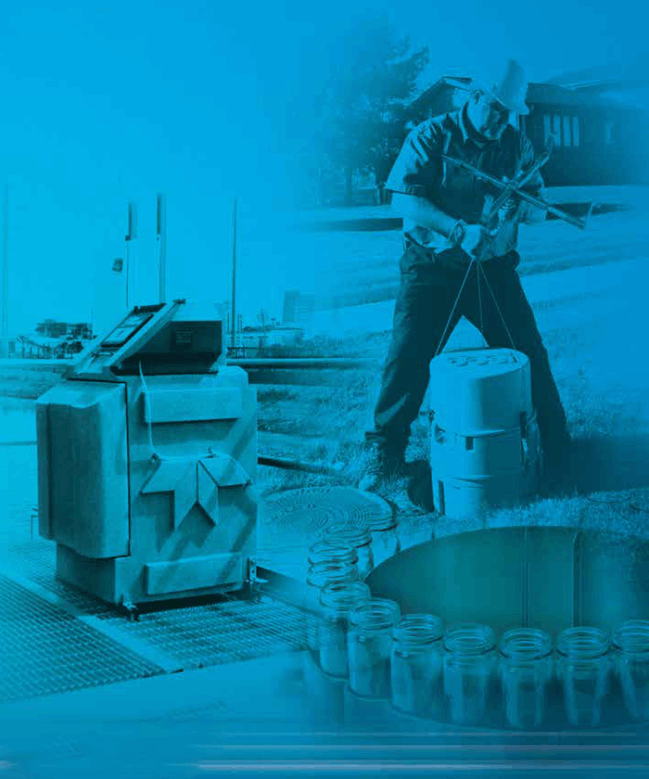
Types of Automatic Water Samplers
Water samplers come in various configurations to meet different monitoring needs. Fully automatic sequential samplers collect individual samples at specific time intervals, allowing for detailed analysis of how water quality changes over time or when triggered by an event. Composite samplers collect multiple samples over time and combine them into a single composite sample. This type is particularly useful for obtaining average concentrations of pollutants over extended periods. From portable units designed for mobile applications to refrigerated samplers that preserve sample integrity, each type offers unique advantages. Understanding these types is crucial for selecting the most appropriate sampler for specific water, wastewater and stormwater monitoring objectives. Keep reading to learn more.
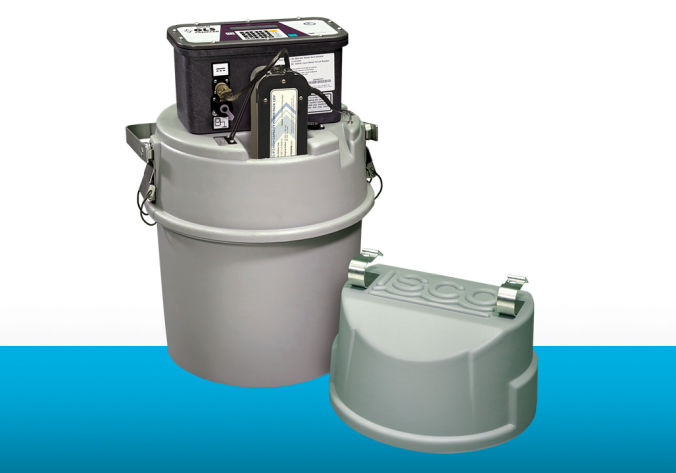
These compact units are designed for temporary or mobile sampling applications. They're battery-powered and can be easily transported to different sites, making them ideal for short-term studies or areas with limited access to power.
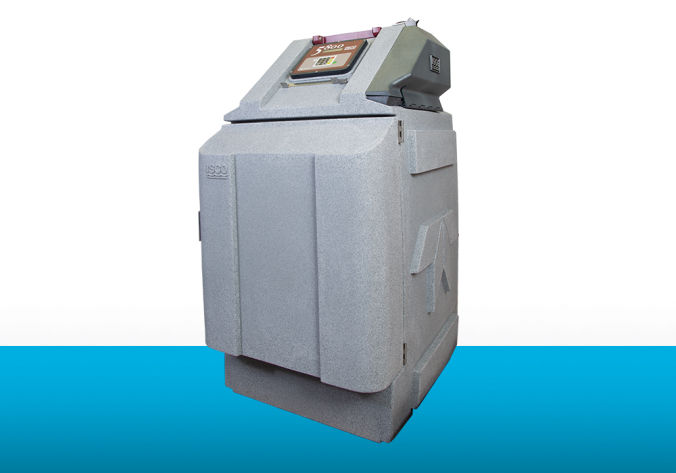
These samplers include a built-in refrigeration unit to preserve samples at the required temperature. They're essential for monitoring programs where sample integrity must be maintained over longer periods or in warm climates.
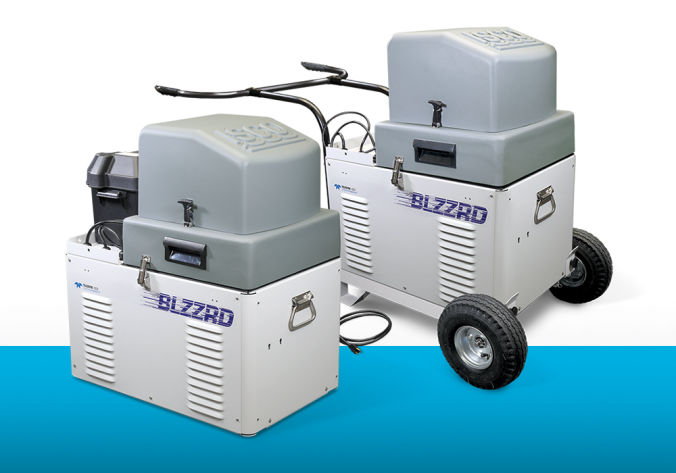
Most portable samplers use ice to cool samples for a short period of time, but these refrigerated samplers allow samples to be kept at a desired temperature for a long time and can be collected when convenient.
Communications, installation, cleaning, and more.